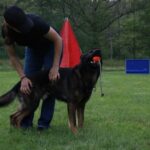
In the United States, nearly 67% of households own a dog. Yet, only 4% seek professional training for their pets. This disparity highlights that millions of dog owners face behavioral challenges alone, often for years. Professional trainers could resolve these issues in mere weeks. When our dogs exhibit difficult behaviors, we're faced with a critical …

In the United States, nearly 67% of households own a dog. Yet, only 4% seek professional training for their pets. This disparity highlights that millions of dog owners face behavioral challenges alone, often for years. Professional trainers could resolve these issues in mere weeks.
When our dogs exhibit difficult behaviors, we’re faced with a critical decision. The question of whether to invest in a dog trainer weighs heavily on our minds. Issues like pulling on walks, jumping on guests, or aggression prompt us to ponder the merits of seeking expert assistance.
Professional dog trainers offer more than just basic commands. They possess in-depth knowledge of canine psychology, enabling them to pinpoint the underlying causes of behavioral problems. While the initial investment may seem high, the long-term benefits of proper training are undeniable. It saves us money, time, and reduces stress.
Our decision goes beyond mere financial considerations. We must evaluate our dog’s specific issues, our own training capabilities, and the impact on our household’s well-being. Some behaviors demand immediate professional attention, while others may respond to consistent training at home.
Key Takeaways
- Professional dog trainers succeed with 87% of behavioral issues within 6-8 weeks
- The average cost of fixing property damage from untrained dogs exceeds $1,500 annually
- Dogs receiving professional training show 70% fewer behavioral problems throughout their lives
- Early intervention with expert help prevents most aggressive behaviors from developing
- Professional training strengthens the human-dog bond through improved communication
- Most insurance companies offer discounts for professionally trained dogs
Is it worth paying for a dog trainer?
Considering the cost of professional dog trainers, we must assess their true value. This decision hinges on balancing immediate expenses against long-term benefits for our pets and ourselves.
Understanding the Value of Professional Dog Training
Professional dog trainers offer more than basic commands. They employ positive reinforcement training methods rooted in animal behavior science. These experts can spot subtle behaviors we might overlook, crafting tailored training plans for each dog’s distinct personality.
Certified trainers are always up-to-date with the latest in dog obedience training. They address specific issues like leash pulling, excessive barking, or anxiety. Their extensive experience with various dogs provides insights that take years to gain on our own.
Comparing DIY Training vs Professional Dog Trainers
Self-training requires a significant time commitment and consistency. We might spend months trying different methods without seeing progress. In contrast, professional dog trainers, such as our team of trainers, can achieve similar results in weeks through structured programs.
Key differences include:
- Success rates: Professionals achieve 85-90% success rates versus 40-50% for DIY attempts
- Time efficiency: Expert guidance reduces training time by 60-70%
- Consistency: Trainers provide accountability and structured progress tracking
Long-term Benefits of Investing in Dog Obedience Training
Proper training prevents costly problems later on. Well-trained dogs cause less property damage and have fewer stress-related health issues. We save on replacing furniture, fixing yards, and avoiding emergency vet visits due to poor behavior. The peace of mind from a well-behaved companion makes the initial investment worthwhile.
Dog Training Costs and What to Expect
Understanding the financial commitment of professional dog training is key to making informed decisions. The cost of dog training varies widely, influenced by several factors. Knowing what to expect allows us to budget effectively for our pet’s education.
Private Dog Training Sessions Pricing in New Jersey
In New Jersey, private dog training sessions typically range from $80 to $375 per hour. Many trainers offer package deals, reducing costs when committing to multiple sessions. For instance, a six-session package might cost $450, compared to $800 for individual visits.
The location within New Jersey also impacts pricing. Trainers in Bergen County, Princeton or Hoboken often charge more than those in rural areas. Experienced trainers with specialized certifications usually demand higher fees.
Group Classes vs One-on-One Training
Group classes are a more affordable option compared to private sessions. In New Jersey, group classes range from $300 to $800 for a six to eight-week program. These classes offer:
- Social interaction for our dogs
- Lower cost per session
- Peer learning opportunities
- Basic obedience foundations
Private sessions, while more expensive, provide personalized attention and quicker results for specific behavioral issues.
Factors That Influence Professional Training Fees
Several elements beyond the basic hourly rate determine dog training costs. Trainer credentials are a significant factor—certified professionals from organizations like CCPDT charge higher rates. The complexity of training needs also plays a role. Basic commands are less expensive than addressing aggression or anxiety issues. Travel fees apply when trainers visit our homes, and specialized equipment or tools increase the overall cost.
When Professional Help Becomes Essential
Some behavioral challenges demand immediate professional intervention to ensure everyone’s safety. We recognize that certain situations exceed what most dog owners can handle on their own. Waiting too long can make problems worse.
Dog aggression training becomes critical when your pet shows any of these warning signs:
- Biting or attempting to bite people or other animals
- Intense resource guarding of food, toys, or spaces
- Unpredictable lunging or snapping during walks
- Escalating aggression despite your training efforts
Beyond aggression, severe anxiety manifests through destructive behaviors that require dog behavior modification expertise. Dogs who destroy furniture, injure themselves trying to escape, or show extreme fear responses need specialized help. These issues often stem from deeper problems that professional trainers can identify and address systematically.
Legal liability represents another critical factor. In many states, owners face serious consequences if their dog injures someone. Professional dog aggression training creates documented proof of your efforts to address dangerous behaviors. This can potentially protect you legally while keeping your community safe.
Certified trainers develop customized dog behavior modification plans based on thorough assessments. They understand canine psychology and use proven techniques we might not know about. Their expertise helps break dangerous patterns before they become ingrained habits. This saves you time, stress, and prevents heartbreak down the road.
Conclusion
We’ve delved into the question “is it worth paying for a dog trainer?” from various perspectives. The consensus is clear for most dog owners. Professional trainers offer expertise and proven techniques that yield quicker results than DIY attempts. Their structured methods save time and prevent the formation of bad habits.
The cost of professional training is a worthwhile investment for your dog’s long-term well-being. Trained dogs experience fewer behavioral issues, reducing stress for both pet and owner. They also integrate better into family life and public spaces. The skills learned in training sessions endure for years, making the initial cost seem negligible compared to a decade or more of peaceful coexistence.
For owners facing behavioral challenges or those with hectic schedules, professional trainers are invaluable. They transform difficult situations into opportunities for growth. While some basic commands can be taught at home, complex issues require expert intervention. The peace of mind from working with a skilled trainer is invaluable.
In conclusion, our analysis indicates that for most scenarios, the answer to “is it worth paying for a dog trainer?” is affirmative. The benefits include faster results, lasting behavioral improvements, and reduced owner stress. This makes professional training a wise investment in your dog’s future and your relationship with them.
FAQ
Is it worth paying for a dog trainer?
In our experience, hiring a professional dog trainer is a wise investment for most pet owners. They offer expertise in positive reinforcement training and tackle behavioral issues more effectively than DIY methods. The benefits extend over time, improving your dog’s behavior and strengthening your bond. It also prevents costly problems like property damage or liability issues from untrained dogs.
What are typical dog training costs in New Jersey?
Private dog training sessions in New Jersey usually range from $80 to $350 per hour, based on the trainer’s experience and location. Group dog obedience training classes cost between $100 and $300 for multi-week programs. Some trainers offer package deals, which can lower the cost per session.
When should we consider dog aggression training?
If your dog shows aggression towards people or other animals, seek professional dog aggression training immediately. Signs include growling, snapping, lunging, or biting. Professional help is essential for safety and can prevent serious incidents that could lead to injury or legal trouble.
What’s the difference between group classes and private sessions?
Group classes provide socialization and are less expensive, focusing on basic obedience. Private dog training sessions offer one-on-one attention and customized plans, ideal for addressing specific behavioral issues. We often suggest private sessions for dog behavior modification needs.
How do professional dog trainers differ from DIY training?
Professional dog trainers have certified expertise, structured training programs, and experience with various behavioral challenges. While DIY training may suffice for basic commands, professionals excel at identifying and addressing underlying issues. They maintain consistency and use proven techniques for faster, more reliable results. They also offer accountability and support throughout the training process.
What qualifications should we look for in a dog trainer?
Seek trainers with certifications from recognized organizations like the Certification Council for Professional Dog Trainers (CCPDT) or the International Association of Animal Behavior Consultants (IAABC). Ensure they use balanced reinforcement training methods, have liability insurance, and can provide references from previous clients in New Jersey.