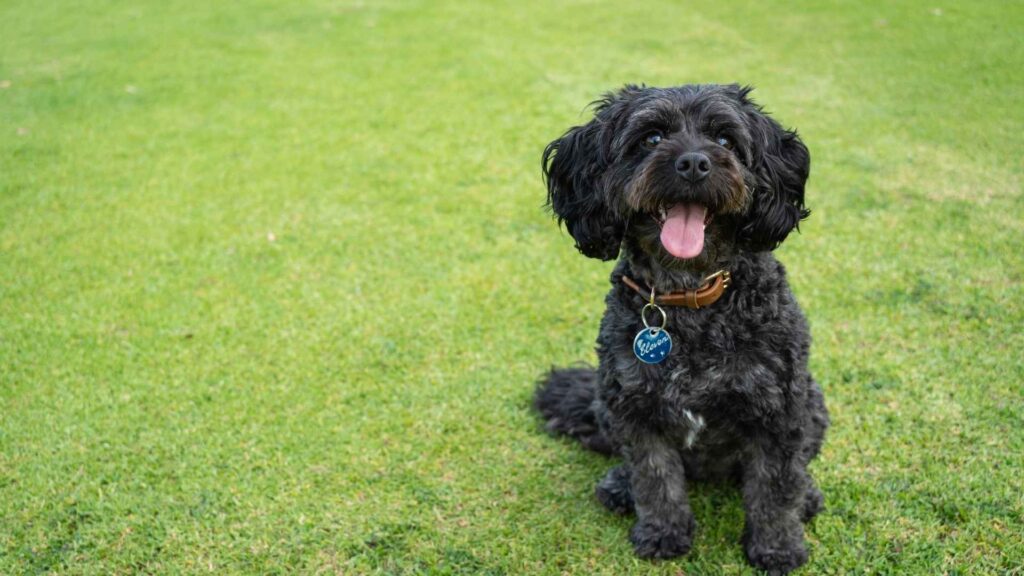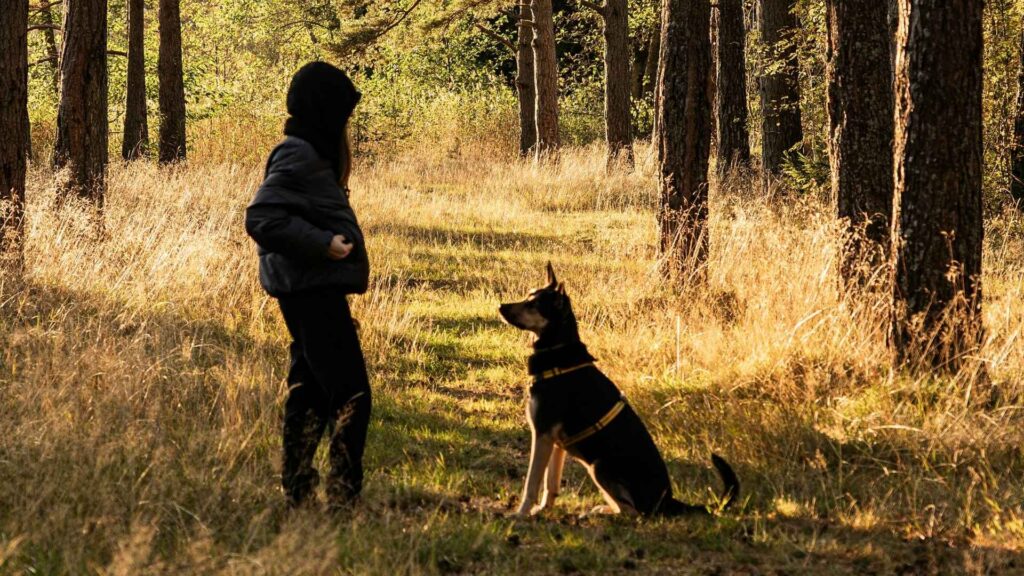
When our K9 friends start acting out, it's time to call in the pros. Dog behavior specialists are the unsung heroes of the canine world. They dive deep into the minds of our four-legged companions, unraveling the mysteries behind their actions. We often hear about canine behaviorists stepping in when traditional training falls short. They're not just teaching sit …

When our K9 friends start acting out, it’s time to call in the pros. Dog behavior specialists are the unsung heroes of the canine world. They dive deep into the minds of our four-legged companions, unraveling the mysteries behind their actions.
We often hear about canine behaviorists stepping in when traditional training falls short. They’re not just teaching sit and stay; they’re addressing the root causes of complex issues. From anxiety to aggression, these specialists have the tools to turn troubled pups into well-adjusted pets.
In the United States, more pet owners are turning to North Jersey dog behavior specialists for help. It’s not just about fixing problems; it’s about building stronger bonds between dogs and their humans. These experts bring a mix of science and compassion to every case, tailoring their approach to each unique dog-owner duo.
Ready for a Well-Behaved Dog?
Our private training sessions are designed to help your dog become the companion you’ve always wanted.
Book Your Free ConsultationInitial Consultation and Assessment
The first step is a detailed consultation. Animal communicators meet with you and your dog. They watch how you interact and gather info.
They look at your pet's behavior, home, and daily life. This helps them find the source of the problems.
Developing a Tailored Behavior Modification Plan
After the assessment, a custom plan is made. This plan has strategies for your dog's specific issues. It might include changes to their environment or new training methods.
Implementation and Follow-up Sessions
Working together, you and the behaviorist put the plan into action. Regular check-ins help track progress and make any needed changes. These meetings ensure the plan works well for you and your dog.
Animal communicators offer support and guidance. They help you understand your dog's needs. This strengthens your bond with your pet.
Techniques Used by Dog Behavior Specialists
Dog behavior specialists use many effective methods to help dogs. They first try to understand why a dog behaves in certain ways. Then, they create special plans to fix these issues.
Positive reinforcement is a big part of their work. They use treats, praise, or toys to reward good behavior. This way, dogs learn to do things because they want to, not just because they have to.
Desensitization is another important tool. It helps dogs get used to things that scare or upset them, but in a gentle way. As they get more comfortable, they can handle stronger versions of these things.
Counterconditioning works with desensitization. It helps change how a dog feels about certain things. For example, if a dog is scared of strangers, they might start to see them as a good thing, like when they get treats.
Clicker training is also used. It's a way to teach dogs exactly when they do something right. This makes it clear to them what they're supposed to do.
- Positive reinforcement
- Desensitization
- Counterconditioning
- Clicker training
Dog experts often mix these techniques to fit each dog's needs. They aim to make dogs and their owners happy and in tune with each other. This leads to better relationships and a happier life for everyone.
Benefits of Seeking Help from Dog Behavior Specialists
Working with dog behavior specialists can make a big difference in your pet's behavior and your relationship. Let's look at the main benefits of working with these experts.
Improved Dog-Owner Relationship
Dog behavior specialists help strengthen your bond with your pet. They teach you to understand your dog's body language and how they communicate. This knowledge leads to better interactions and a more peaceful home.
Long-term Behavioral Changes
Canine behaviorists focus on lasting changes, not just quick fixes. They help your dog develop new, positive habits. You'll see improvements in obedience, socialization, and overall behavior.
Increased Safety for Dogs and Humans
Safety is a key concern for dog behavior specialists. They work to reduce aggressive and anxious behaviors. This makes your home safer for everyone, including your dog. You'll feel more confident handling your pet in different situations.
By getting help from dog behavior specialists, you're investing in a better relationship with your pet. These experts provide personalized solutions that benefit you and your pet for years.
When to Consult a Dog Behavior Specialist
Knowing when to seek help from animal behaviorists is key for solving your dog's problems. We suggest talking to dog trainers or behavior specialists if your dog's issues keep coming back. This is true even if basic training doesn't work.
Some signs it's time to call in the experts include:
- Aggressive behavior towards people or other animals
- Excessive barking or destructive chewing
- Severe anxiety or fear responses
- Sudden changes in your dog's behavior
- Inability to follow basic commands despite consistent training
If you've tried many training methods but nothing works, it's time for professional help. Dog trainers and animal behaviorists can figure out complex problems. They create plans that fit your pet's unique needs.
Don't wait until the problem gets worse. Getting help early can stop small issues from becoming big ones. Remember, asking for help shows you care about your pet, not that you're not good enough.
Choosing the Right Dog Behavior Specialist for Your Pet
Finding the right dog behavior specialist is key for you and your pet. We've got tips to help you pick a qualified expert for your pet's needs.
Qualifications to Look For
When looking for a pet psychologist or dog whisperer, check their education and certifications. They should have degrees in animal behavior or psychology. Look for certifications from groups like the International Association of Animal Behavior Consultants (IAABC) to show they're experts.
Questions to Ask
Before choosing a specialist, ask these important questions:
- What methods do you use to address behavioral issues?
- How many sessions will my dog need?
- Can you provide references from past clients?
- Do you offer follow-up support after the initial sessions?
Red Flags to Watch Out For
Be careful of dog whisperers who promise quick fixes or use tough training methods. Stay away from those who won't explain their methods or ignore your worries. A good pet psychologist will focus on your dog's health and work with you to make lasting changes.
The Science Behind Canine Behavior Modification
Canine behavior modification uses science to understand how dogs learn and change. It's based on learning theory, which shows how animals get new behaviors through experiences and rewards. This knowledge is key for animal communicators and dog counselors.
Dogs have complex minds that affect their actions. They can make connections, remember past events, and decide based on their surroundings. Knowing this helps dog counselors find the right ways to fix behavioral problems.
New studies in animal behavior have uncovered interesting facts about dogs. They can:
- Recognize human emotions
- Understand pointing gestures
- Learn by watching other dogs or humans
These discoveries help animal communicators create better ways to change dog behavior. By using a dog's natural abilities and learning ways, we can make lasting changes. This improves their bond with humans.
Struggling with Pulling, Barking, or Jumping?
We’ll create a customized training plan that transforms behavior—fast, effective, and positive.
Talk to a Trainer TodayIntegrating Professional Advice with At-Home Training
Working with dog behavior specialists gives you insights into your dog's needs. They offer strategies for specific issues. But the real magic is when you mix their advice with at-home training.
Canine behaviorists suggest daily exercises and routines to reinforce good behaviors. It's important to follow these steps carefully. Set aside time each day to practice what they taught. This consistency helps make new habits stick and strengthens your bond with your dog.
Remember, lasting change takes time and patience. Don't get discouraged if progress seems slow. Keep in touch with your dog behavior specialist for support and to adjust your training plan. By combining expert advice with your commitment to at-home practice, you're on the path to a happier, well-behaved pup.
Celebrate small victories along the way. Each step forward, no matter how tiny, is progress. With persistence and the right guidance from canine behaviorists, you'll see remarkable improvements in your dog's behavior over time.